

At Mind the Gap, we are fortunate to have leaders who bring both professional expertise and a deep commitment to supporting young people and families. This article was written by Mind the Gap Board Member Jonathan Hetterly, M.A., LCMHC, a Charlotte-based licensed therapist, speaker, writer, and practice owner who specializes in helping adolescents, young adults, and families navigate challenges such as anxiety, ADHD, and the pressures of growing up in today’s world. Drawing from more than 15 years of clinical experience, Jonathan shares his perspective on a growing concern he sees firsthand: loneliness among boys and young men, even when they appear more connected than ever.
Over the years, I’ve lost track of how many teenage boys have told me some version of the same thing:
“I have friends. I just don’t really talk to them about anything important.”
The details change. One boy spends every night gaming with the same group of friends. Another is on a sports team. Another is constantly texting people throughout the day. From the outside, none of them look lonely, which is part of the reason loneliness in boys can be so easy to miss.
Most adults picture loneliness as isolation. A kid sitting alone at lunch. A teenager with no friends. Someone on the outside looking in. That certainly exists, and those young people deserve our attention. But it’s not usually what I see in my office. In fact, some of the loneliest boys I’ve worked with are surrounded by people almost all day long.
A few years ago, I asked a teenager who seemed socially connected a simple question: “If everything fell apart tomorrow, who would you call?”
He thought about it for a while before finally shrugging.
“I don’t know.”
What struck me wasn’t the answer itself. It was that he genuinely had to think about it.
This was a kid who talked to people every day. He had teammates, friends, group chats, plans for the weekend. But when the question shifted from who he spent time with to who he trusted, the list became much shorter.
I’ve found myself thinking about that conversation more and more over the years. A lot of boys have social networks. Far fewer have relationships where they feel fully known. Those aren’t the same thing.
The Loneliness We Don’t See
When people hear the word loneliness, they often think about physical isolation. No friends. No social life. No connection. But that’s rarely the version that concerns me most.
The boys who worry me are often the ones nobody is worried about.
They’re busy. They’re involved. They’re connected on paper. They sit with friends at lunch, play sports after school, spend hours online talking to people, and seem socially engaged by most measures.
Yet when conversations go deeper, I often hear things like:
“Nobody really knows me.”
“I don’t want to dump my problems on people.”
“People have their own stuff going on.”
“I just keep it to myself.”
Those statements rarely set off alarm bells. They don’t sound dramatic. Most parents don’t hear them and immediately think, My son is lonely.
But they tell us something important. Many boys learn how to be around people without ever learning how to let people know them.
The Boy Who Is Always Online

Technology often gets blamed for loneliness, but I think the reality is more complicated than that.
Many of the boys I work with spend hours interacting with other people every day. They’re gaming together, messaging each other, sharing videos, talking in group chats, and laughing constantly.
Sometimes parents tell me, “He’s always talking to someone.” And they’re right.
The issue isn’t necessarily a lack of interaction. The question is whether there are relationships where honesty feels safe.
I’ve worked with boys who could tell me everything about their online friends’ favorite games, sports teams, and weekend plans, yet struggled to identify a single person they would call if they were overwhelmed, scared, or completely lost.
That’s not really a technology problem. It’s a relationship problem.
The Athlete Nobody Worries About

One of the easiest young men to overlook is the athlete.
He’s constantly around people—at practice, during games, on bus rides, in group chats, and surrounded by teammates throughout the week. Adults often assume that because he belongs to a team, he automatically feels connected.
Sometimes that’s true.
Sometimes it isn’t.
I’ve worked with athletes who felt deeply supported by teammates and coaches. I’ve also worked with athletes who admitted that nobody on their team knew what was actually happening in their lives.
Everyone knew whether they had a good game.
Nobody knew they were struggling.
That’s a lonely place to be.
Especially when your identity becomes tied to performance. Once performance becomes the thing people know you for, it can start to feel risky to let them see anything else.
The High-Achieving Student

The same thing can happen to high-achieving students.
Good grades. College plans. Leadership positions. A calendar packed with activities.
Adults tend to assume these students are doing well because they appear successful. Sometimes they are. Sometimes they’re carrying tremendous pressure entirely by themselves.
Years ago, a young man told me something I’ve never forgotten.
“People think I’m doing great because I’m doing everything I’m supposed to do.”
Then he paused.
“But nobody ever asks if I’m okay.”
I still think about that conversation.
Achievement attracts attention.
It doesn’t automatically create connection.
Why Boys Often Keep Things to Themselves
One of the biggest misconceptions about boys is that they don’t want to talk. Most do.
The challenge is that many aren’t sure how.
When I ask teenage boys what they’re feeling, the first answer is often:
“I don’t know.”
People sometimes hear that as resistance. Most of the time, I don’t think it is. I think they’re being honest.
Many boys can identify anger, frustration, or stress relatively quickly. Loneliness, disappointment, shame, grief, and emotional exhaustion are often harder to recognize and even harder to describe.
Not because boys don’t experience those emotions.
Because many have had fewer opportunities to develop language around them. So instead of saying:
“I feel lonely.”
A boy might say:
“I’m tired.”
Or:
“I don’t really care anymore.”
Or he says nothing at all.
Sometimes silence isn’t avoidance.
Sometimes it’s a lack of vocabulary.
What Parents Tend to Notice First
Parents rarely call me and say:
“I think my son is lonely.”
Usually they describe changes.
“He spends all his time in his room.”
“He doesn’t seem interested in anything anymore.”
“We barely see him.”
“He’s just different lately.”
Those observations matter.
Not because every teenager who wants privacy is struggling. Most adolescents naturally seek greater independence as they mature.
But there’s often a noticeable difference between independence and withdrawal. Most parents can feel that difference before they can explain it.
They notice less energy. Less engagement. Less curiosity. Less of the child they remember. And more often than not, those observations are worth paying attention to.
What Research Is Beginning to Tell Us

Loneliness is more than an unpleasant feeling.
A growing body of research links chronic loneliness to increased risk for depression, anxiety, substance misuse, sleep problems, and suicidal thinking.¹ ² Studies also suggest that adolescent boys are often less likely than girls to disclose emotional distress to peers or trusted adults, making loneliness harder to identify before it becomes significant.³
That doesn’t mean loneliness inevitably leads to crisis.
Most lonely adolescents will never experience a psychiatric emergency.
But meaningful connection remains one of the strongest protective factors we know. Young people who feel connected are more likely to seek help, more likely to feel hopeful, and more likely to believe someone would notice if they were struggling.¹
That matters.
What Boys Need
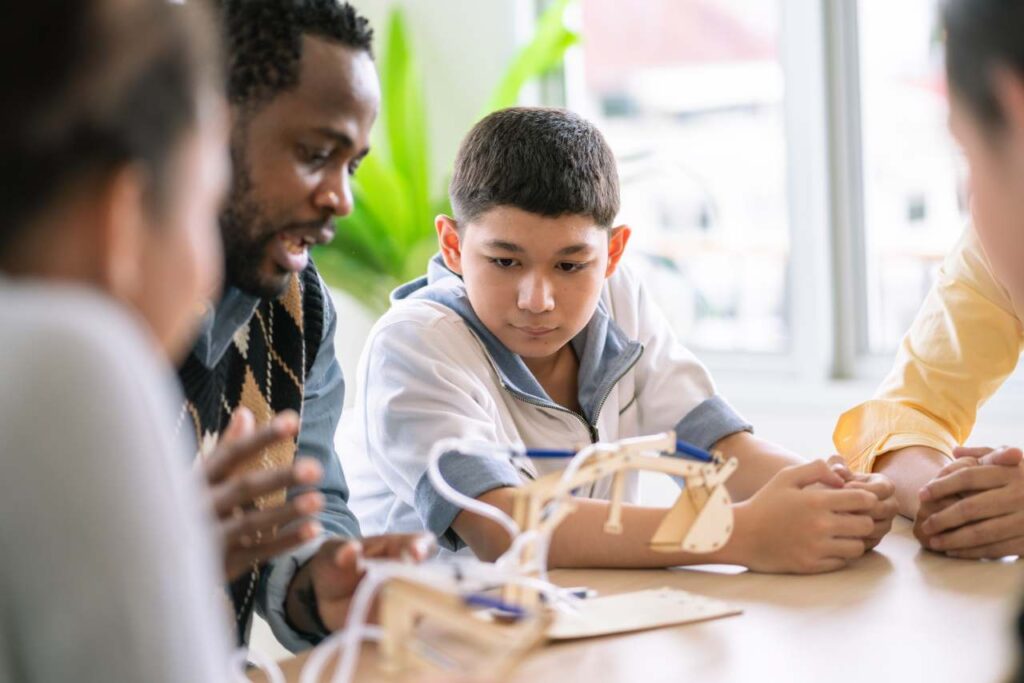
When conversations about youth mental health happen, the focus often turns immediately toward treatment.
Treatment matters. Therapy matters. Access to care matters.
But many boys need something even earlier than that.
They need relationships.
Trusted adults.
Mentors.
Coaches who notice when something seems off.
Teachers who take an interest.
Parents who stay engaged even when communication becomes difficult. Most of the boys I’ve worked with didn’t need someone to have all the answers. They needed someone who was genuinely interested in them.
Someone who asked a second question after the first answer.
Someone who stayed in the conversation long enough to get past:
“I’m fine.”
Because that’s often where the real conversation begins.
Before Loneliness Becomes Something More
After fifteen years of working with boys and young men, I’ve become convinced that loneliness often hides in plain sight. Not because nobody cares. But because many boys become remarkably good at appearing okay.
They go to practice. They go to school. They joke with friends. They post online. Life keeps moving. Meanwhile, something quieter is happening underneath.
A growing sense that nobody really knows them. A belief that they should handle things themselves. A habit of keeping difficult things private.
Those patterns don’t always lead to crisis. But when they do, people are often surprised. Looking back, the signs were usually there. They just didn’t look the way people expected. One young man I worked with years ago comes to mind.
When we first met, he insisted nothing was wrong. He had friends, good grades, activities, and plans for the future. At least that’s how it looked from the outside.
Over time, what emerged wasn’t a lack of opportunity or ability. It was loneliness. He had learned how to be around people, but not how to let people know him.
What eventually helped wasn’t some breakthrough moment or perfect intervention. It happened gradually. He joined a group where he felt accepted. He developed a relationship with a mentor he trusted. He began opening up to a few close friends. For the first time in a long time, he stopped carrying everything by himself.
I still think about him when I hear people talk about loneliness.
Because what helped wasn’t complicated.
It was connection.
Real connection.
The kind that reminds a young person they don’t have to navigate life alone.
And maybe that’s why this conversation feels especially important as boys become young men and leave home.
Every year, students arrive on college campuses surrounded by thousands of people. They move into residence halls, join classes, attend events, and meet more people in a few weeks than they may have met in years.
Yet many feel profoundly alone. National surveys continue to find that loneliness and social isolation remain common concerns among college-aged young adults despite unprecedented levels of digital connection.⁴
Part of the challenge is that friendships formed naturally in childhood often don’t form the same way in adulthood. Shared proximity helps, but it isn’t enough. Building meaningful relationships requires vulnerability, initiative, and the willingness to let people see who you are beyond what you do.
Many young men arrive at that stage of life without ever being taught how to do that.
Perhaps one of the most important things we can teach boys isn’t simply how to succeed, achieve, or perform.
It’s how to build relationships.
The boys who seem most connected are not always the ones who are least lonely. The difference is often whether they have learned how to let other people know them.
Maybe that’s one of the most important skills we can teach before they leave home. Not how to get more followers.
Not how to build a résumé.
Not even how to be successful.
How to build the kinds of relationships that make it possible to carry life’s challenges with other people instead of carrying them alone.
A Final Thought
If this article resonates with you, consider reaching out to a young person in your life—not to solve a problem, but simply to strengthen a connection.
Meaningful relationships remain one of the most powerful protective factors we have. Awareness is important. But awareness alone does not reduce loneliness. Connection does.
Organizations like Mind the Gap are working to create pathways for connection, support, mentorship, and hope before isolation becomes crisis. The goal is not simply helping young people survive difficult seasons of life, but helping them build the relationships that allow them to thrive.
About the Author
Jonathan Hetterly, M.A., LCMHC is a licensed mental health counselor, speaker, writer, and practice owner based in Charlotte, North Carolina. He works with adolescents, young adults, and families navigating anxiety, ADHD, life transitions, and the challenges of growing up in today’s world. Jonathan is passionate about helping people move from understanding their struggles to finding a clear path forward, while also strengthening connections between individuals, families, and community resources. He serves on the Board of Directors for Mind the Gap and supports the organization’s mission of helping youth and families access trusted mental health resources.
Learn more at: jonathanhetterly.com
References
¹ U.S. Surgeon General Advisory (2023). Our Epidemic of Loneliness and Isolation: The U.S. Surgeon General’s Advisory on the Healing Effects of Social Connection and Community. U.S. Surgeon General Advisory on Loneliness and Social Connection
² Holt-Lunstad, J., Smith, T. B., Baker, M., Harris, T., & Stephenson, D. (2015). Loneliness and Social Isolation as Risk Factors for Mortality: A Meta-Analytic Review. Perspectives on Psychological Science, 10(2), 227–237.
³ Centers for Disease Control and Prevention (CDC). Youth Risk Behavior Survey Data Summary & Trends Report. CDC Youth Risk Behavior Survey (YRBS)
⁴ American College Health Association (ACHA). National College Health Assessment (NCHA). American College Health Association (ACHA)