
Fueling Growth and Independence: Nutrition for Teens and Young Adults

Adolescence is one of the most rapid periods of growth, after infancy. During this time, teens experience significant physical, emotional, and cognitive development, increasing their need for energy and essential nutrients. At the same time, they gain more independence and begin making more food choices on their own, making healthy eating habits especially important. The eating patterns established during adolescence and young adulthood often persist into later life, making these years a critical opportunity to build lifelong habits.

Increased Nutrient Needs During Adolescence

As bones, muscles, and organs grow, the body requires increased amounts of calcium, vitamin D, iron, protein, zinc, and healthy fats. As females start to menstruate, their need for iron is also increased. Adolescent brain development also continues at a rapid pace, with neural connections strengthening well into early adulthood.

Nutrients such as glucose, protein, iron, omega-3 fatty acids, and B vitamins play essential roles in brain function, memory, attention, and learning. Adolescents tend to fall most short in the areas of micronutrients – calcium, iron, zinc, and Vitamin D. When nutritional needs are not met, adolescents may experience difficulty concentrating, decreased academic performance, fatigue, and mood disturbances. Because the brain continues to develop well into early adulthood, proper nutrition is essential for supporting both cognitive growth and overall mental well-being.

Common Challenges

As children age, they are increasingly involved in activities inside and outside of school. They may stay after school for an extracurricular, need to rush to a sports practice, or start working after school. This increases their reliance on “convenience foods” which are often highly processed. This industrial processing removes a lot of the key nutrients children need and adds a lot of sugar, preservatives, and sodium to the food. Children who eat predominately convenience foods may start to become nutrient deficient.

Social media and peer influences can also affect eating habits. Diet trends, misinformation, and body image pressures may encourage restrictive eating patterns that fail to meet the nutritional demands of a growing body.

Teens also spend more time away from home and make more independent food choices. Young adults may go off to college where limited budgets, dining halls, and increased responsibility for food choices can make balanced eating more difficult.

Disordered Eating

Eating disorders are serious medical conditions that involve persistent disturbances in eating behaviors or exercise levels. Disorder eating looks different for everyone, but common signs of an eating disorder include limiting food intake, discussing “earning” food, unexplained weight loss or gain, and binge eating.

If you suspect your child may be displaying signs of an eating disorder, it is important to approach the situation with compassion and patience. Rather than focusing on weight or food intake alone, express concern for their overall well-being. Avoid criticism, pressure, or attempts to force eating, as these approaches can increase distress. Instead, listen carefully and seek guidance from a healthcare professional experienced in adolescent nutrition or mental health. Early recognition and intervention are associated with better recovery outcomes, and eating disorders are most effectively treated when families, healthcare providers, and the child work together to address both the physical and emotional aspects of the condition.

You can find more information regarding eating disorders via the American Psychological Association and a parent toolkit via the National Eating Disorder Association.

Here are some local Charlotte-area resources that can provide support as well.

Practical Tips
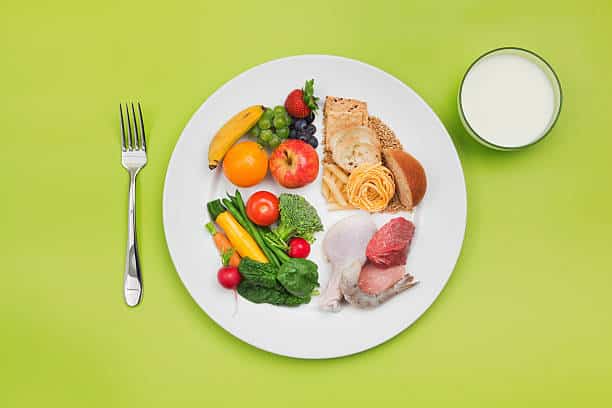
Because teens often eat whatever is most accessible, the home food environment matters. Stocking the kitchen with nutritious options and limiting the purchase of foods you want eaten less frequently can make healthier choices the easier choices.

The best way to combat the need for “convenience foods” when not at home is to have fresh, more nutritious foods readily available to take to school or practice. Some easy examples include yogurt parfaits, apples with nut butter, homemade trail mix, and turkey roll-ups.

Meal planning is another helpful strategy for busy families. Setting time aside on weekends to plan meals, prep ingredients, or preparing a few meals in advance can reduce the need for takeout on a hectic day. Keeping a few flexible “back-up meals” on hand such as rotisserie chicken, homemade frozen meals, or canned meat or beans, can make it easier to avoid fast-food as the weekly schedule changes.

Looking for meal prep recipes? Check out this free online cookbook

To combat peer and social media influence, encourage teens to learn about nutrition from reliable sources. Provide access to teen-oriented magazines or books, websites, and social media profiles that discuss healthy eating to support their interest in cooking, or nutrition.

Involving teens in meal planning not only encourages healthier eating but also helps them develop valuable life skills, including budgeting, grocery shopping, cooking, and meal preparation. Start with small decisions, such as letting them choose a fruit to keep on hand for the week or pick between two dinner options. As their confidence grows, encourage them to help plan and prepare one family meal each week. You can also use tools they’re already familiar with to make the process more engaging, such as a shared notes app for meal ideas and grocery lists or social media platforms like TikTok and YouTube to find healthy recipes and cooking inspiration. Encourage teens to follow registered dietitians, chefs, or other credible creators who share practical, evidence-based nutrition information.

A simple way to introduce balanced eating is by using the My Plate approach. Encourage teens to fill half of their plate with fruits and vegetables, one-quarter with lean protein, and one-quarter with whole grains. They can practice building balanced meals when packing lunch, preparing snacks, or choosing foods while dining out. Over time, repeated exposure to balanced meal patterns can help teens recognize how nutritious foods support energy and focus, making healthy habits more likely to stick into adulthood. Teens are often more motivated by immediate benefits, so connect nutritious eating to things they care about such as supporting athletic performance or maintaining healthy hair.

College dining halls often get a bad reputation, but most offer a wide variety of foods that can support a balanced diet. Using this approach can help build a nutritious meal without over-focusing on “good” or “bad” foods.

When academics and extracurriculars demand more, sleep is often one of the first healthy habits to be sacrificed. However, sleep is just as important to overall health and mental well-being as proper nutrition.

Most teens and young adults should aim for at least 7–9 hours of sleep each night. Sleep and nutrition have a powerful two-way relationship. Irregular eating patterns, excessive caffeine intake, and diets low in nutrient-dense foods can negatively impact sleep quality, while inadequate sleep can increase cravings for highly processed foods and make it harder to maintain healthy eating habits. Establishing consistent sleep and meal routines can help support energy levels, focus, mood, and overall well-being.

When using the dining hall, it can be tempting to eat our comfort foods: pizza, burgers, fries, and desserts. While these foods can certainly fit into a balanced lifestyle, regularly filling up on them may leave students feeling sluggish, hungry soon after eating, and missing out on important nutrients needed for concentration and energy. A helpful strategy is to start with the My Plate approach and then decide if additional items sound appealing.

Additionally, unlimited meal plans and all-you-can-eat buffets can sometimes encourage overeating, especially during stressful periods. Students can benefit from checking in with their hunger and fullness cues before going back for additional servings.

When access to a full kitchen, reliable refrigeration, or regular meals is limited, keeping nutritious, low-prep foods on hand can help prevent skipped meals and provide steady energy throughout the day. Individual cups of Greek yogurt (when refrigeration is available), trail mix, low-sugar instant oatmeal, protein bars, nut butter packets, and whole-grain crackers are convenient options that require little to no preparation.

For students living on campus, dining halls can also be a helpful source of portable snacks for later, such as fresh fruit, hard-boiled eggs, peanut butter packets, bagels, and cut vegetables. For individuals without access to a dining hall or stable housing, food pantries, community meal programs, shelters, and campus basic-needs resources may offer similar nutritious options.

When possible, pair a carbohydrate with a protein for longer-lasting energy and greater fullness. Examples include an apple with peanut butter, Greek yogurt with granola, cheese and crackers, or hard-boiled eggs and whole-grain toast. Shelf-stable alternatives such as crackers with peanut butter or trail mix with dried fruit can provide a similar balance when refrigeration is unavailable.

References
  1. Johns Hopkins Medicine. (n.d.). Healthy eating during adolescence. Johns Hopkins Medicine. Johns Hopkins.
  2. American Academy of Pediatrics. (2016). A teenager’s nutritional needs. HealthyChildren.org. Healthy Children.
  3. University of Rochester Medical Center. (n.d.). Adolescent nutrition. Health Encyclopedia. URMC.
  4. Parajuli, J., & Prangthip, P. (2025). Adolescent Nutrition and Health: a Critical Period for Nutritional Intervention to Prevent Long Term Health Consequences. Current nutrition reports, 14(1), 116.
  5. American Psychiatric Association. (n.d.). What are eating disorders? American Psychiatric Association. APA.
  6. Olsson, R. (2026). How to Get Your Teen Involved in Meal Planning. Banner Health. Banner Health.
  7. Agricultural Research Service (n.d.). Build your own healthy plate. U.S. Department of Agriculture. USDA.
  8. Bruce, E. S., Lunt, L., & McDonagh, J. E. (2017). Sleep in adolescents and young adults. Clinical medicine, 17(5), 424–428.
Content Contributor(s)
Dr. Irene Morganstern
Dr. Irene Morganstern has a background in neurobiology and spent the early part of her career studying the brain mechanisms involved in anxiety, depression, addiction, and eating behaviors. Her research and published work focused on the relationship between food and key brain pathways. She has also worked extensively in preclinical drug development for neurological, psychiatric and rare neuro-oncological disorders. Her broad experience provides a strong scientific perspective on the connection between nutrition and mental health.
Erina Mazur
Erin Mazur is a Doctor of Pharmacy (PharmD) candidate with a special interest in preventative health and patient education. She graduated from UNC-Chapel Hill in 2024 with a B.S. in Biology and is now a rising third-year Doctor of Pharmacy candidate at the UNC Eshelman School of Pharmacy. Erin has a strong research background and is passionate about translating evidence-based research into approachable information to help individuals make informed decisions about their health.
On this page:
Content Contributor(s)
Dr. Irene Morganstern
Dr. Irene Morganstern has a background in neurobiology and spent the early part of her career studying the brain mechanisms involved in anxiety, depression, addiction, and eating behaviors. Her research and published work focused on the relationship between food and key brain pathways. She has also worked extensively in preclinical drug development for neurological, psychiatric and rare neuro-oncological disorders. Her broad experience provides a strong scientific perspective on the connection between nutrition and mental health.
Erina Mazur
Erin Mazur is a Doctor of Pharmacy (PharmD) candidate with a special interest in preventative health and patient education. She graduated from UNC-Chapel Hill in 2024 with a B.S. in Biology and is now a rising third-year Doctor of Pharmacy candidate at the UNC Eshelman School of Pharmacy. Erin has a strong research background and is passionate about translating evidence-based research into approachable information to help individuals make informed decisions about their health.