Eating Well Without Overspending

When money is tight, putting food on the table is often the first priority, and understandably so. However, the foods we eat can influence not only our physical health but also our mood, energy levels, and overall well-being. The good news is that eating nutritiously doesn’t have to mean spending more money. Small, affordable choices can help you get the most nutrition from your grocery budget.

What is Nutrient Density?

Your body relies on seven essential nutrients to survive – carbohydrates, proteins, fats, vitamins, minerals, fiber, and water. Nutrient density is the measure of these beneficial nutrients relative to a food’s calorie count, meaning highly nutrient dense foods pack a lot of nutritional value into relatively few calories.

Consider an apple versus a snack-sized bag of chips. Both items have around 100 calories, but an apple has 4.4 grams of dietary fiber and delivers vitamin C, potassium, and vitamin K. A bag of chips is a less significant source of these nutrients.

Therefore, healthy eating doesn’t require breaking the bank – it just requires a focus on getting the most nutritional value from the foods available to you!

Making Healthy Eating Affordable

Beans are one of the strongest examples of a nutrient-dense, budget friendly food – and they are versatile too! Beans provide protein, fiber, carbohydrates, and nutrients such as iron, magnesium, potassium, and folate. Their high-protein content leaves you feeling fuller longer, helping you stretch your budget.

Eggs are a nutrient-dense, affordable source of high-quality protein. In addition to protein, eggs provide nutrients such as vitamin D, vitamin B12, choline, and selenium. Their versatility makes them easy to include in meals throughout the day, whether scrambled for breakfast, hard-boiled for a snack, or added to soups, salads, and rice dishes.

Lentils are an inexpensive source of plant-based protein, fiber, iron, folate, and potassium. They cook quickly compared to many dried beans and can be added to soups, stews, salads, and grain bowls. Their combination of protein and fiber makes them a filling option that can help stretch a food budget while supporting overall health.

Brown rice is a budget-friendly whole grain that provides complex carbohydrates, fiber, and nutrients such as magnesium and manganese. Its mild flavor pairs well with proteins, vegetables, and beans, making it an excellent foundation for balanced meals. Buying rice in larger quantities can often provide even greater savings.

Plain yogurt is a nutrient-dense food that provides protein, calcium, and probiotics, which support digestive health. Buying larger containers of plain yogurt is often more economical than purchasing individual flavored cups. Fresh or frozen fruit can be added for natural sweetness and additional nutrients.

Many people rely on shelf-stable and processed foods because they are affordable or available. Instead of eliminating these foods, think about working towards a balance of nutrients. Include a source of protein, a fruit or vegetable, and a grain or starch in each meal whenever possible.

For example, a breakfast of oatmeal, peanut butter, and a banana provides carbohydrates, healthy fats, protein, and fiber. This meal costs less than a dollar per person from Charlotte-area budget grocery stores, but also would be fully covered under SNAP or WIC benefits or often included in food pantry pick-ups.

Remember, every meal does not need to be perfectly balanced to support your health. Use what you have available and focus on adding nutrition where you can. Small changes such as adding a side of fruit, choosing beans as a protein source, or mixing frozen vegetables into pasta can increase the nutritional value of a meal without significantly increasing the cost.

Looking for more recipe ideas? Check out these recipe books which use ingredients from food assistance programs!

  • Buy frozen or canned produce instead of fresh: Frozen vegetables and fruit and low-sodium canned vegetables or fruit packed in water or juice provides nutrition comparable to fresh produce while often costing less and lasting longer
  • Check local grocery storage sales and digital coupons
  • Shop store brand whenever possible
  • Plan meals that use overlapping ingredients to reduce waste
  • Compare unit prices rather than package prices: Checking the unit price (such as price per ounce, pound, or item) can help you determine which option provides the most value. Sometimes the same product is actually less expensive per unit when purchased in a different package size.

Resources Available To You

It is a common misconception that utilizing SNAP, WIC, or food pantries provides only non-perishable goods. In fact, these programs are often developed with nutrient density in mind!

There are government assistance programs available for individuals and families who meet eligibility requirements. If you are experiencing financial hardship or food insecurity, the resources below may provide valuable support and help improve access to healthy food for you and your family.

Supplemental Nutrition Assistance Program (SNAP): SNAP, also known as Food and Nutrition Services (FNS), helps eligible individuals and families buy groceries by providing monthly benefits on an EBT card that can be used at participating stores. SNAP covers the vast majority of necessary and everyday food items.

Women, Infants, and Children Program (WIC): WIC provides healthy foods, nutrition education, breastfeeding support, and referrals to healthcare services for eligible pregnant women, new mothers, infants, and children up to age 5. WIC is designed as a supplemental program to fill nutritional gaps; it covers dairy, whole grains, produce, and proteins but does not provide fresh meat.

The Emergency Food Assistance Program (TEFAP): TEFAP provides free emergency food assistance through local food pantries, based on income requirements. These food pantries are often able to provide fresh produce and frozen meat more consistently.

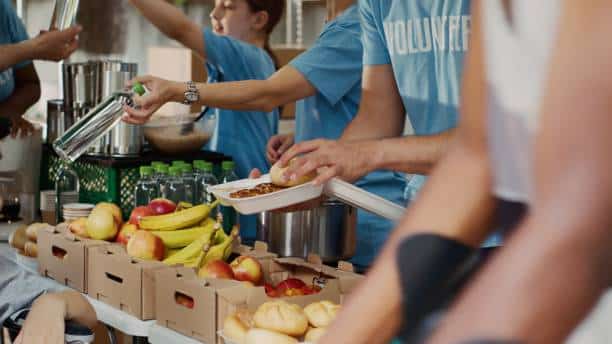
If you do not qualify for government assistance programs, need additional support, or are experiencing a temporary financial hardship, local food pantries and community food distribution programs can help ensure you and your family have access to nutritious food. Most food pantries provide groceries at no cost.

Each food pantry operates a little differently. Some allow individuals to walk in during designated hours, while others require an appointment or referral. You may be asked to provide basic information such as your name, household size, address, or identification, but many programs are designed to make food assistance as accessible as possible. If you are unsure about eligibility or documentation requirements, contact the pantry directly before visiting.

Commonly Distributed Foods at Food Pantries:

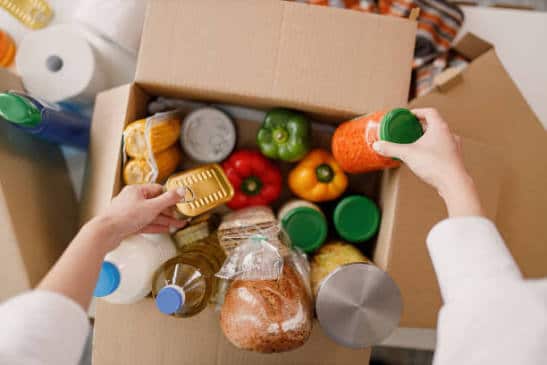
  • Boxed pasta, rice, oatmeal, bread, cereal
  • Canned vegetables and fruit
  • Canned tuna or chicken, peanut butter, beans
  • Shelf stable milk
  • Fresh produce (when available)
  • Frozen meat (when available)

Food Assistance Resources in Mecklenburg County

Finding Food Assistance in Mecklenburg County and Beyond:

  • Second Harvest Food Bank of Metrolina has a free resource that connects you to food resourced based on zip-code, covering North and South Carolina.
  • United Way (dial 211 or https://nc211.org/) is a free resource that connects NC residents to food pantries, meal programs, and other community services. It is available 24/7 and can be especially helpful for finding resources close to home.

References
  1. European Food Information Council (2025). What is nutrient density? European Food Information Council.

Content Contributor(s)
Dr. Irene Morganstern
Dr. Irene Morganstern has a background in neurobiology and spent the early part of her career studying the brain mechanisms involved in anxiety, depression, addiction, and eating behaviors. Her research and published work focused on the relationship between food and key brain pathways. She has also worked extensively in preclinical drug development for neurological, psychiatric and rare neuro-oncological disorders. Her broad experience provides a strong scientific perspective on the connection between nutrition and mental health.
Erina Mazur
Erin Mazur is a Doctor of Pharmacy (PharmD) candidate with a special interest in preventative health and patient education. She graduated from UNC-Chapel Hill in 2024 with a B.S. in Biology and is now a rising third-year Doctor of Pharmacy candidate at the UNC Eshelman School of Pharmacy. Erin has a strong research background and is passionate about translating evidence-based research into approachable information to help individuals make informed decisions about their health.
On this page:
Content Contributor(s)
Dr. Irene Morganstern
Dr. Irene Morganstern has a background in neurobiology and spent the early part of her career studying the brain mechanisms involved in anxiety, depression, addiction, and eating behaviors. Her research and published work focused on the relationship between food and key brain pathways. She has also worked extensively in preclinical drug development for neurological, psychiatric and rare neuro-oncological disorders. Her broad experience provides a strong scientific perspective on the connection between nutrition and mental health.
Erina Mazur
Erin Mazur is a Doctor of Pharmacy (PharmD) candidate with a special interest in preventative health and patient education. She graduated from UNC-Chapel Hill in 2024 with a B.S. in Biology and is now a rising third-year Doctor of Pharmacy candidate at the UNC Eshelman School of Pharmacy. Erin has a strong research background and is passionate about translating evidence-based research into approachable information to help individuals make informed decisions about their health.