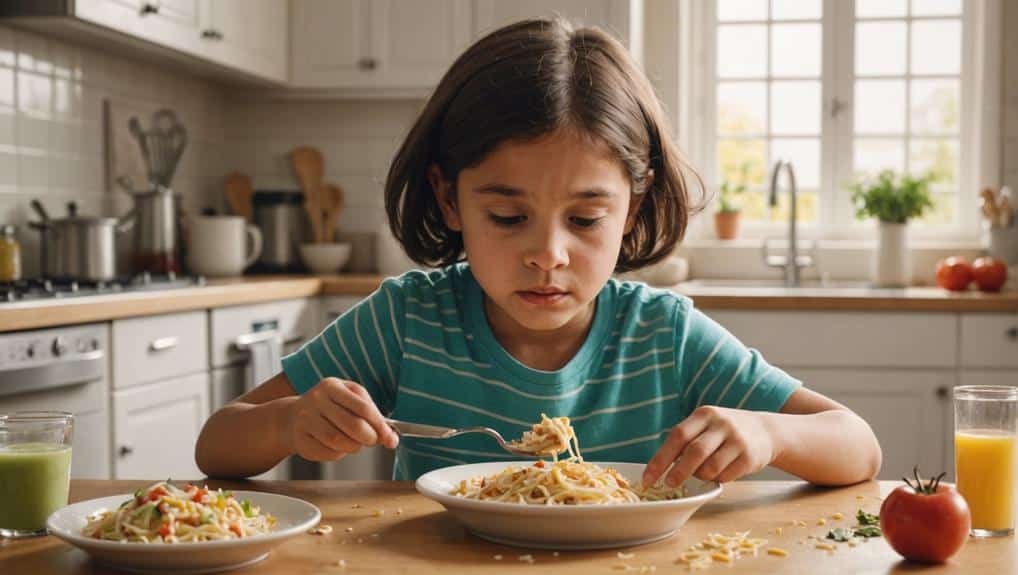
Beyond “Just One More Bite’: Helping Picky Eaters Build Healthy Habits

A growing body of research highlights the important connection between nutrition and mental well-being.1 The foods we eat provide the building blocks our brains need to support mood, focus, energy, and overall mental health. But for families of picky eaters, providing balanced nutrition can feel like a daily challenge.

The good news is that nourishing a picky eater doesn’t mean forcing food, battling at the dinner table, or creating the “perfect” meal. Every exposure to a new food and every small nutritional win is an opportunity to support growing bodies, developing brains, and long-term well-being.

Nutrients that Nourish the Brain

Good nutrition depends on consuming the right balance of both macronutrients and micronutrients each day. Macronutrients, carbohydrates, protein, and fats, provide the energy and building blocks needed for growth, brain function, physical activity, and overall health. Micronutrients, including vitamins and minerals, are required in smaller amounts but play essential roles in supporting immunity, metabolism, bone health, and countless other bodily functions. See the Mayo Clinic or Centers for Disease Control and Prevention for detailed information on daily nutritional goals.

The brain is one of the body’s most energy-demanding organs, requiring a constant supply of nutrients. When we consistently consume nutrient-dense food, we support neurotransmitter production and stable energy to regulate mood, concentration, and memory.

It is best practice to gain most of these nutrients from whole foods and minimally processed foods, but we understand that this can become tricky when children have limited palates. Progress does not require a complete dietary overhaul overnight. The strategies below are designed to support both nutrition and confidence at mealtimes, making it easier to introduce new foods while continuing to offer familiar favorites.

Kid-Friendly Foods That Support Growing Brains

  1. Protein: cheese sticks, yogurt, eggs, chicken nuggets, peanut butter, hummus
  2. Healthy Fats: avocado, guacamole, nut or seed butters, cheese
  3. Iron: fortified cereals, meatballs, turkey, beans
  4. Omega-3s: tuna salad, salmon patties, walnuts, chia added to yogurt or smoothies
  5. Steady-Energy Carbs: oatmeal, whole-grain toast, whole-wheat pasta, brown rice, and fruit

Understanding Selective Eaters: It’s Not Just About Taste

Many parents assume that picky eating is simply a matter of preference, but for some children, food can be a sensory experience that feels overwhelming. Children may be sensitive to the texture, smell, temperature, appearance, or even sound of certain foods.

Understanding these sensory differences can help caregivers approach mealtimes with curiosity rather than frustration. Instead of focusing solely on getting a child to eat a new food, consider smaller steps such as:

  1. Looking at the food
  2. Touching the food
  3. Smelling the food
  4. Helping prepare the food
  5. Putting the food on their plate
  6. Taking a small lick or bite

Remember, interacting with a food is progress, even if it isn’t eaten right away.

Sensory Friendly Tips for Introducing New Foods

  1. Pair a new food with a favorite “safe” food
  2. Introduce foods with similar textures before moving to very different textures
  3. Let children explore foods without pressure to eat them
  4. Offer dips, sauces, or different temperatures if a child prefers foods prepared in a specific way
  5. Allow children to help cook or serve the food, which can increase comfort and familiarity

Tips and Tricks for Making Progress

Set Positive Practices Around Food

  • Create routine – try to eat dinner at the same time, have everyone eat together
  • Have your child help in meal preparation
  • Give your child choice – take them to the grocery store and let them pick foods, ask would you like this or this
  • Make food fun – cut it into exciting shapes, invent silly nicknames for foods

Introduce Food Discussion Into Reading Time

Utilizing books can normalize trying new foods and reduce the anxiety around eating
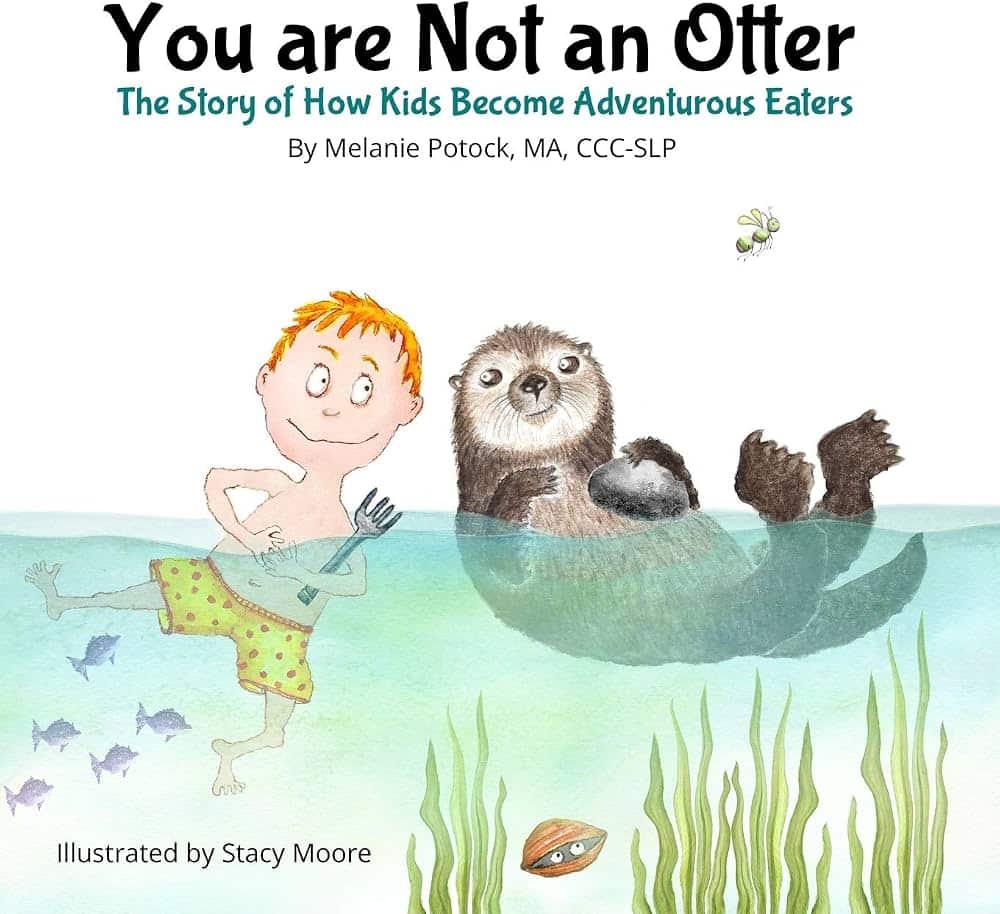
  • You are Not an Otter: Written by Melanie Potock, a pediatric feeding specialist, the book uses playful animal comparisons to encourage children to explore new foods and different ways of eating.
  • Bread and Jam for Frances: Written by Russell Hoban, this story is about a badger who wants to eat only bread and jam until she realizes she misses having variety.
  • Green Eggs and Ham: Written by Dr. Seuss, this story follows the story of a character reluctant to try a new food, and discovers that he enjoys it, reinforcing the idea that new experiences are worth trying.

When Introducing New Foods:

  • Don’t give up on a new food – research says it takes 8 to 15 times to introduce a new food before your child will accept it
  • Start with small portions
  • Offer one new food at a time
  • Start a meal with new foods – your child is hungriest at the beginning of a meal

Caregiver Mindset

  • Remember that picky eating is a normal part of development. In fact, it is thought to be an evolutionary protective mechanism that helps children avoid potentially harmful substances.
  • Do not blame yourself. Many picky eaters have siblings that eat a much larger variety of foods. Some children just come into the world with more rigid brains regarding new foods.
    • Allow yourself the space to feel compassion for yourself, this can be frustrating as a parent who wants the best for their child.
  • Don’t be afraid to ask for help.

When to Seek Professional Help

While picky eating is common in young children, nutrition and growth are important to their development. Therefore, if you think that your child’s habits are severe you should seek out professional help. Look for signs such as developing aversions to foods they used to eat, mealtimes cause significant distress for the child, or they are extremely unwilling to try any new foods.

Your primary care provider is a great first contact for topics surrounding eating and nutrition. They may refer you to psychologists, speech pathologists, or occupational therapists who can give tailored support regarding eating behaviors.

Charlotte Resources

Here are a few resources in the Charlotte-Mecklenburg area that specialize in pediatric feeding and eating. You may see the word therapy and think talk-therapy, but these are specialized services provided by speech-language pathologists and occupational therapists who help children develop the skills needed to safely and successfully eat, drink, and tolerate a variety of foods.


References
  1. Firth, J., Gangwisch, J. E., Borisini, A., et al. (2020). Food and mood: how do diet and nutrition affect mental wellbeing?. BMJ (Clinical research ed.), 369, m2382.
  2. Children’s Hospital of Philadelphia (2019). Feeding a picky eater: The do’s and don’ts. CHOP.
  3. U.S. Department of Agriculture, Food and Nutrition Service (2012). Healthy tips for picky eaters [PDF]. WIC Works Resource System. WIC Works.
  4. Siskin Children’s Institute (2024). Sensory-friendly nutrition tips for picky eaters/children with feeding disorders. Siskin.
  5. Potock, M. (2017). How to Track Food Exposures and Expand Food Variety for Selective Eaters. American Speech-Language-Hearing Association. ASHA.
Content Contributor(s)
Dr. Irene Morganstern
Dr. Irene Morganstern has a background in neurobiology and spent the early part of her career studying the brain mechanisms involved in anxiety, depression, addiction, and eating behaviors. Her research and published work focused on the relationship between food and key brain pathways. She has also worked extensively in preclinical drug development for neurological, psychiatric and rare neuro-oncological disorders. Her broad experience provides a strong scientific perspective on the connection between nutrition and mental health.
Erina Mazur
Erin Mazur is a Doctor of Pharmacy (PharmD) candidate with a special interest in preventative health and patient education. She graduated from UNC-Chapel Hill in 2024 with a B.S. in Biology and is now a rising third-year Doctor of Pharmacy candidate at the UNC Eshelman School of Pharmacy. Erin has a strong research background and is passionate about translating evidence-based research into approachable information to help individuals make informed decisions about their health.
On this page:
Content Contributor(s)
Dr. Irene Morganstern
Dr. Irene Morganstern has a background in neurobiology and spent the early part of her career studying the brain mechanisms involved in anxiety, depression, addiction, and eating behaviors. Her research and published work focused on the relationship between food and key brain pathways. She has also worked extensively in preclinical drug development for neurological, psychiatric and rare neuro-oncological disorders. Her broad experience provides a strong scientific perspective on the connection between nutrition and mental health.
Erina Mazur
Erin Mazur is a Doctor of Pharmacy (PharmD) candidate with a special interest in preventative health and patient education. She graduated from UNC-Chapel Hill in 2024 with a B.S. in Biology and is now a rising third-year Doctor of Pharmacy candidate at the UNC Eshelman School of Pharmacy. Erin has a strong research background and is passionate about translating evidence-based research into approachable information to help individuals make informed decisions about their health.