
A growing body of research highlights the important connection between nutrition and mental well-being.1 The foods we eat provide the building blocks our brains need to support mood, focus, energy, and overall mental health. But for families of picky eaters, providing balanced nutrition can feel like a daily challenge.
The good news is that nourishing a picky eater doesn’t mean forcing food, battling at the dinner table, or creating the “perfect” meal. Every exposure to a new food and every small nutritional win is an opportunity to support growing bodies, developing brains, and long-term well-being.

Good nutrition depends on consuming the right balance of both macronutrients and micronutrients each day. Macronutrients, carbohydrates, protein, and fats, provide the energy and building blocks needed for growth, brain function, physical activity, and overall health. Micronutrients, including vitamins and minerals, are required in smaller amounts but play essential roles in supporting immunity, metabolism, bone health, and countless other bodily functions. See the Mayo Clinic or Centers for Disease Control and Prevention for detailed information on daily nutritional goals.
The brain is one of the body’s most energy-demanding organs, requiring a constant supply of nutrients. When we consistently consume nutrient-dense food, we support neurotransmitter production and stable energy to regulate mood, concentration, and memory.
It is best practice to gain most of these nutrients from whole foods and minimally processed foods, but we understand that this can become tricky when children have limited palates. Progress does not require a complete dietary overhaul overnight. The strategies below are designed to support both nutrition and confidence at mealtimes, making it easier to introduce new foods while continuing to offer familiar favorites.
Kid-Friendly Foods That Support Growing Brains

Many parents assume that picky eating is simply a matter of preference, but for some children, food can be a sensory experience that feels overwhelming. Children may be sensitive to the texture, smell, temperature, appearance, or even sound of certain foods.
Understanding these sensory differences can help caregivers approach mealtimes with curiosity rather than frustration. Instead of focusing solely on getting a child to eat a new food, consider smaller steps such as:
Remember, interacting with a food is progress, even if it isn’t eaten right away.

Introduce Food Discussion Into Reading Time
Utilizing books can normalize trying new foods and reduce the anxiety around eating
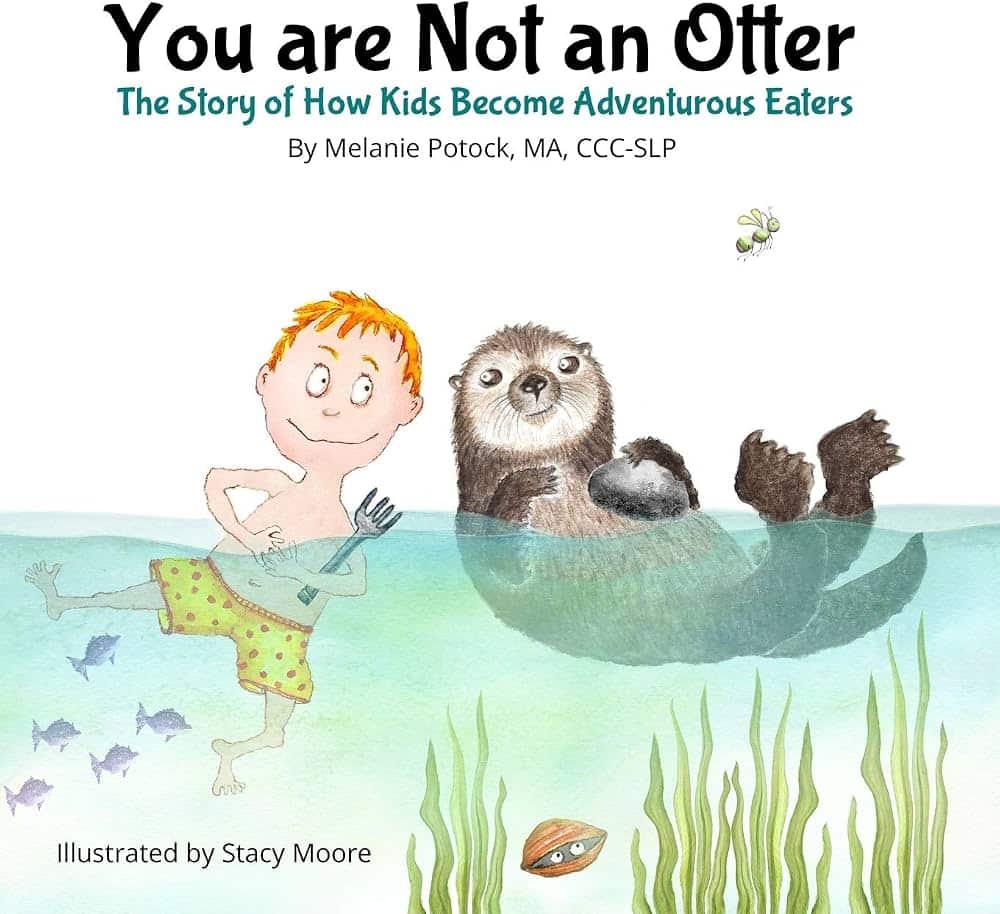



While picky eating is common in young children, nutrition and growth are important to their development. Therefore, if you think that your child’s habits are severe you should seek out professional help. Look for signs such as developing aversions to foods they used to eat, mealtimes cause significant distress for the child, or they are extremely unwilling to try any new foods.
Your primary care provider is a great first contact for topics surrounding eating and nutrition. They may refer you to psychologists, speech pathologists, or occupational therapists who can give tailored support regarding eating behaviors.
Here are a few resources in the Charlotte-Mecklenburg area that specialize in pediatric feeding and eating. You may see the word therapy and think talk-therapy, but these are specialized services provided by speech-language pathologists and occupational therapists who help children develop the skills needed to safely and successfully eat, drink, and tolerate a variety of foods.